
How Much Screen Time Is Too Much for Preschoolers (Ages 2–5)?
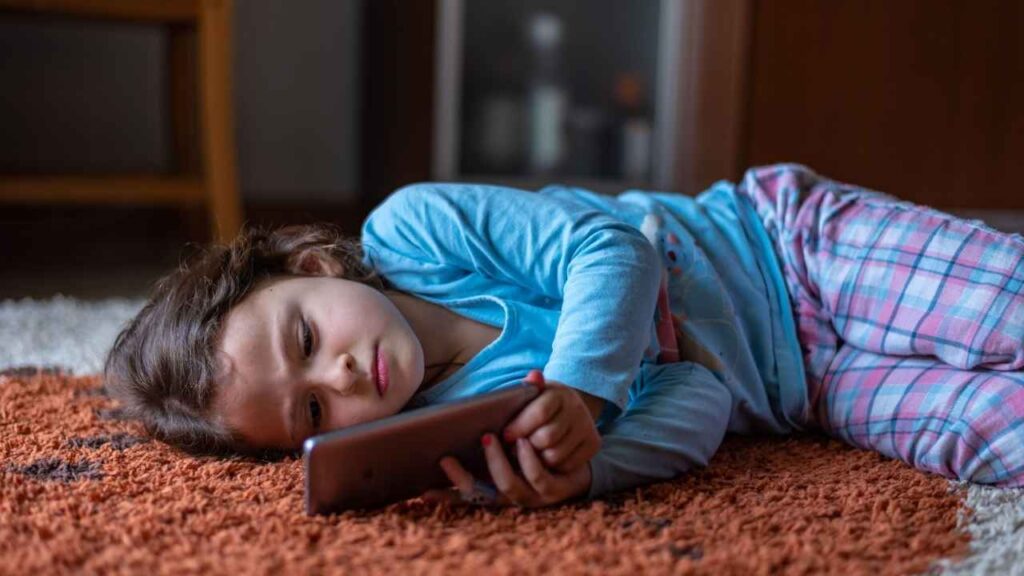
“How much screen time is too much?” is one of the most searched questions by parents of preschoolers—and for good reason. Screens are everywhere: phones, tablets, TVs, video calls, and even classroom tech. The goal isn’t fear or guilt. It’s balance—so screens don’t quietly replace the things young brains need most: play, conversation, movement, and sleep.
Here’s what research and child-health bodies broadly agree on—and how to use it in real life (without turning your home into a battleground).
The quick, practical answer (what most guidelines align on)
Most global and pediatric guidance for preschool-aged children points to a simple benchmark:
- Under 2 years: No screen time, except video calls.
- Ages 2–5: Aim for about 1 hour/day of high-quality content, ideally with an adult present (co-viewing). Less is better.
- Below 2 years: no screen exposure
- 24–59 months: maximum 1 hour/day, supervised
Important: This doesn’t mean “panic” if a day goes over. Think in patterns—your weekly average and daily routines matter more than one odd day.
Why screen time matters in the preschool years
- Back-and-forth conversation (not passive listening)
- Hands-on play (touching, building, pretending)
- Movement and real-world interaction (turn-taking, problem-solving, social cues)
Kids Health recommends talking about preschool ahead of time and gradually introducing preschool-like experiences so the transition feels less sudden.
What “counts” as screen time (parents often miss these)
Screen time isn’t only cartoons.
- Background TV that’s always on
- Reels/short videos “just for 5 minutes” (often becomes 30)
- Screens during meals
- Videos used to calm a child during distress (creates strong dependence)
- Screen use in the last hour before bed
Signs your child may be getting too much screen time
Parents often notice the behavior first—and only later connect it to screens. Common signs include:
- More irritability or frequent tantrums
- Difficulty staying with non-screen play (puzzles, blocks, pretend play)
- Reduced conversation or slower language growth
- Trouble falling asleep / bedtime resistance
- Strong resistance to outdoor or physical play
- Big meltdowns when the screen turns off
If this sounds familiar: you’re not alone—and these patterns often improve when screen routines become predictable and balanced. (If you’re worried about speech, sleep, or behavior, it’s always okay to check with your pediatrician.)
Does screen time increase tantrums?
It can—especially when screen use is frequent, fast-paced, or used as a coping tool.
Why it happens:
- Screens can be highly stimulating, making transitions harder.
- When a child relies on a screen to regulate big feelings, removing it can cause a “crash.”
- Some research suggests screen time and emotional/behavioral difficulties can reinforce each other over time (a bidirectional loop).
What helps most: not “never screens,” but clear boundaries + smoother transitions (more on that below).
The “3 C’s” of healthier screen time (simple, parent-friendly)
A practical framework used widely in parenting guidance is:
1. Content
Choose content that is:
- Age-appropriate
- Slow-paced
- Non-violent
- High-quality (minimal ads, not overstimulating)
2. Context
Screens shouldn’t replace:
- Sleep
- Outdoor play
- Meals
- Family conversation
And ideally not during emotional distress (that’s when children need connection most).
3. Connection
The biggest upgrade: co-viewing.
- Sit with your child sometimes
- Ask simple questions (“What happened next?” “How do you think she felt?”)
- Connect it to real life (“Shall we try that dance?”)
Family media guidance consistently emphasizes rules that protect sleep and family interaction—like screen-free zones and avoiding auto play.
Screen time, sleep, and the bedtime “buffer”
If you change only one thing, make it this:
Create a screen-free wind-down before bed
Many sleep and pediatric resources recommend avoiding screens close to bedtime often 30–60 minutes before sleep because evening light and stimulation can delay sleep.
A simple bedtime rhythm:
Bath → story → lights dim → cuddle → sleep
(And keep devices out of the bedroom whenever possible.)
How screens affect preschoolers’ eyes (and what actually helps)
Long screen sessions can lead to digital eye strain, which may show up as:
- Dry/itchy eyes
- Eye rubbing
- Blurry vision
- Headaches
- Neck/shoulder discomfort
Helpful habits (evidence-informed)
Screen breaks: Pediatric eye groups often recommend the 20-20-20 rule (every 20 minutes, look 20 feet away for 20 seconds).
- Distance + lighting: Keep screens at a comfortable distance and avoid glare.
- Outdoor time: More time outdoors is consistently associated with lower risk of developing myopia (short-sightedness) in children.
How to reduce screen time without daily conflict
Reducing screens doesn’t need punishment. Kids do best with predictable “yes” and “no” moments.
Strategies that work (and feel gentle)
- Set a fixed “screen window” (e.g., 20–30 minutes after snack)
- Use a visual timer (kids handle “timer ended” better than “I said no”)
- Avoid screens as rewards (it makes screens more powerful)
- Plan the transition: “Two more minutes, then we choose blocks or playdough.”
- Replace, don’t just remove: have a “ready basket” (stickers, crayons, playdough, animal figurines, water play)
Family media planning resources also recommend turning off autoplay/notifications and creating screen-free zones like the dinner table and pre-bedtime.
The role of your preschool environment in screen habits
Preschools that prioritize:
- Hands-on exploration
- Storytelling and language-rich circles
- Sensory play
- Outdoor movement
- Social interaction and guided play
Often see stronger attention foundations and smoother emotional regulation in the classroom—because children are practicing real-world skills all day.
At Toddles Toodles, our approach is rooted in play-based, inquiry-led learning—where children learn through doing, moving, creating, and connecting. Screens (if used at all) should never replace the heart of early childhood: human interaction and hands-on play.
FAQs
What are signs of too much screen time?
Irritability, sleep disruption, difficulty focusing on non-screen play, increased tantrums around switching off, and reduced interest in active play.
Does screen time increase tantrums?
It can—especially when screen use is frequent, fast-paced, or used to manage emotions. Research suggests screen use and socioemotional difficulties can reinforce each other over time.
What is the 30/30/30 rule for screen time?
Online, “30/30/30” is most commonly used as an eye-break rule: every 30 minutes, look at something 30 feet away for 30 seconds (similar to the more widely cited 20-20-20 rule).
How to “heal” eyes from screen time?
For most children, discomfort improves with: shorter sessions, regular breaks, good lighting, and more outdoor time. If symptoms persist, consult an eye specialist.
What is the 3-3-3 rule for anxiety for kids?
A simple grounding tool: name 3 things you see, 3 things you hear, and move 3 body parts (or take 3 slow breaths). If anxiety feels frequent or intense, it’s best to seek professional support.
What are the 3 C’s of screen time?
Content, Context, Connection—choose quality content, protect routines (sleep/play/meals), and add adult connection through co-viewing and conversation.
Final thoughts for parents
Understanding how much screen time is “too much” isn’t about strict rules it’s about protecting what matters most in early childhood: sleep, movement, conversation, and play.
Screens are tools not caregivers. Used intentionally, they can be one small part of a healthy day. But the preschool years are short, and the best learning still looks wonderfully simple: blocks, stories, puddles, playdough, pretend play, songs, and you.