
Potty Training for Toddlers: A Complete Step-by-Step Guide for Parents
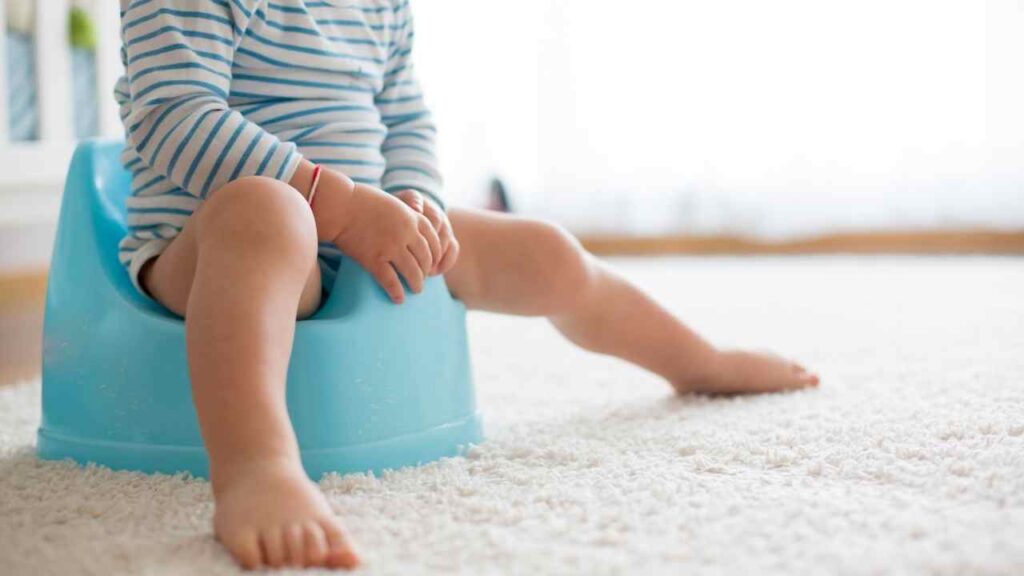
Potty training is a big step for both toddlers and parents. Many families worry they’re doing something wrong when potty training feels slow—but that’s completely normal. With patience, the right timing, and simple routines, the process becomes far less stressful.
If you’re wondering how to potty train a toddler, what you need, or whether your child is even ready—this guide walks you through everything: readiness signs, schedules, methods, tools, and practical tips for common challenges.
How to Do Potty Training for Toddlers
- what the body signal feels like (pee/poop coming),
- what to do next (go to the potty/toilet)
- how to complete the routine (pants down, sit, wipe, flush, wash hands).
Every child is different, so starting when they’re ready matters more than starting early. A simple, consistent routine + calm encouragement works best.
When to Start Potty Training Toddlers
Most toddlers show readiness between 18 months and 3 years, but age matters less than readiness. Starting too early often leads to resistance, stress, and regression.
Readiness signs (your toddler may be ready if they…)
- Stay dry for 2+ hours
- Show interest in the bathroom or copying adults
- Can follow simple instructions
- Dislike dirty diapers and want to be changed
- Can pull pants up/down with some help
- Have a more predictable poop pattern
Signs toddler isn’t ready for potty training
- Hides to poop and strongly resists the potty
- Resists sitting (cries, arches, refuses completely)
- Cannot communicate basic needs yet
- Has frequent changes happening (travel, moving, new sibling, starting daycare)
Tip: A short break (2–4 weeks) can make the restart smoother.
Step-by-Step Potty Training Plan (Simple + Doable)
Step 1: Set up the tools
- Potty chair (often easiest to start)
- Toilet seat reducer + stool (for big-toilet kids)
- Training underwear / underwear
- Wipes + spare clothes + wet bag for outings
Step 2: Warm-up week (no pressure)
- Let your child explore the potty fully clothed
- Use simple words: “pee,” “poop,” “potty”
- Read a potty book or sing a short “potty song”
- Practice the routine: pants down → sit → wipe → flush → wash hands
Step 3: Start a predictable routine (routine > reminders)
- After waking up
- 20 minutes after meals
- Before bath
- Before leaving home / on return
Step 4: Catch the cues
- pausing mid-play, squatting, crossing legs, going quiet, “wiggly dance”
- Calmly say: “Your body is telling you pee is coming. Let’s go potty.”
Step 5: Handle accidents neutrally
- “Pee came out. Pee goes in the potty.”
- No shame, no scolding.
- Reset and move on.
Step 6: Praise effort, not perfection
- “You listened to your body.”
- “You sat and tried.”
- “You told me—great job!”
Best Potty Training Methods for Toddlers
There is no one-size-fits-all solution. The best method depends on temperament and routine.
1. Child-led potty training
You watch readiness signs and follow your toddler’s pace. This often means fewer power struggles and more cooperation.
2. Gentle potty training
This approach relies on calm routines, encouragement, and reassurance—no pressure or punishment. Great for cautious or sensitive children.
3. 3-day potty training method
A focused approach where diapers are paused for a few days and you stay closely involved with frequent support and reminders. It can help some families, but it still takes time to truly “settle” as a habit.
Potty Training Tips for Challenges
Potty training tips for a stubborn toddler
- Offer choices (big potty or chair? bathroom now or in 2 minutes?)
- Use praise instead of pressure
- Keep potty time light (song, book, simple routine)
- If it becomes a daily battle, pause and restart later
When your toddler hides to poop
- Add a consistent after-meal potty sit
- Use a footstool for support (feet supported helps)
- Stay calm and matter-of-fact
Potty training regression
- predictable potty sits
- calm tone
- extra reassurance
Potty Training Underwear & Helpful Gear
Training underwear
Designed to feel like underwear while still handling small accidents. Feeling wetness helps toddlers connect the sensation with the need to go. Best for daytime practice at home.
Potty training pants (pull-ups)
More absorbent—helpful for outings and transitions. Great as a bridge, especially outside the house.
Cloth diapers for potty training
Reusable and eco-friendly. They help toddlers feel dampness more than disposables, which can support learning. Parents can adjust absorbency.
Potty training pads and sheets
Protect beds, sofas, and car seats during training. Very helpful for naps, nights, and travel.
Potty Training Activities & Visual Support
- Potty training chart: sticker chart for “sat and tried” / “pee in potty”
- Potty routine pictures: step-by-step visuals (pants down, sit, wipe, flush, wash hands)
- Songs + books: make potty time feel friendly
- Pretend play: teddy/doll “goes potty” first
Common Potty Training Mistakes to Avoid
- Starting before readiness (creates resistance and delays progress)
- Inconsistent routines (confuses toddlers—pick a plan and stick to it)
- Shaming accidents (creates fear and avoidance)
- Comparing children (every toddler learns on their own timeline)
- Trying night training first (daytime usually comes before nighttime dryness)
FAQs
What if potty training isn’t working?
Take a short break for a few weeks and restart calmly. Forcing often increases resistance.
Potty chair or toilet seat—what’s better?
Use whatever feels safest. Many children start with a potty chair and transition later.
Are potty training watches effective?
They can help as reminders for easily distracted toddlers, but routines still matter most.
How do I potty train a stubborn toddler?
Avoid pressure, offer choices, praise effort, and keep routines consistent.
Training pants or regular underwear?
Training pants can help during the transition. Underwear helps toddlers feel wetness faster.
Is regression during potty training normal?
Yes. It often happens during big changes and usually settles with routine + reassurance
Can I potty train my toddler at night first?
Daytime training usually comes first. Nighttime dryness develops later for many children.
Final Thoughts
Potty training takes time, and setbacks are normal. Stay patient, celebrate small wins, and remember: your child will succeed when they’re truly ready. Keep the routine simple, keep your tone calm, and focus on confidence—not speed.